
Fate as a Living Force
The King in YellowThis flow traces how characters interpret coincidence, prophecy, and inevitability until fate becomes either a warning or an excuse.
increasing Bearing strength in each event
 decreasing
Bearing strength in each eventdecreasingThe Fates in Marble
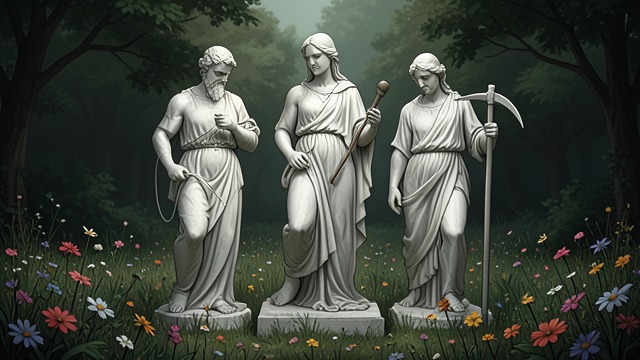
The Fates in Marble
Boris Yvain's sculpture of The Fates gives abstract destiny a human form.
Artistic Premonition
The group suggests that lives may be shaped by forces beyond conscious choice.
Later Reinterpretation
After Boris's death, the sculpture becomes a memorial that appears to have foreseen him.
The Hearse Dream
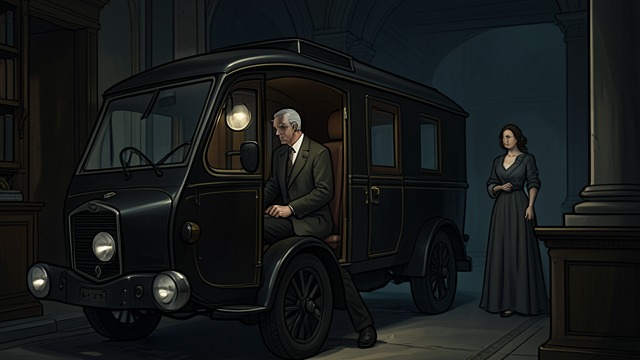
The Hearse Dream
Tessie Reardon dreams of a hearse that carries Mr. Scott while its driver watches her.
Prophetic Image
The dream anticipates the vehicle and driver of the final night.
Ambiguous Agency
Its warning is clear only after fulfillment, preserving the tension between fate and missed choice.
Carcosan Destiny
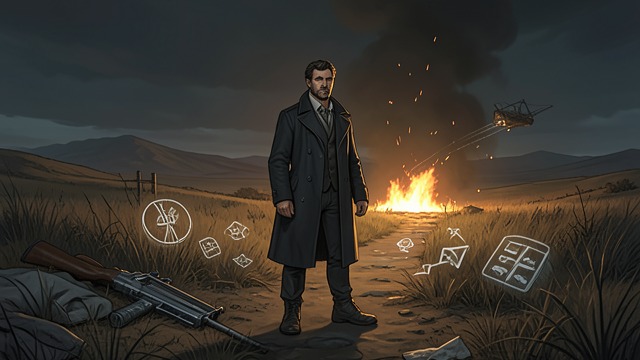
Carcosan Destiny
Hildred Castaigne interprets the King in Yellow's mythology as proof that his succession is inevitable.
Prophecy as Identity
The language of Hastur and Carcosa turns ambition into destiny.
Responsibility Denied
By calling violence necessary, Hildred avoids recognizing his own choices.
Jeanne's Enchanted Moor

Jeanne's Enchanted Moor
Jeanne d'Ys warns Philip that the moor is easy to enter but difficult to leave.
Spatial Prophecy
Her warning describes the time distortion that will separate them.
Romantic Disbelief
Philip hears metaphor where the story offers literal truth.
Rue Barrée's Boundary

Rue Barrée's Boundary
The blocked street becomes a sign that Selby's desire has reached a forbidden limit.
Fate and Choice
The barrier does not physically prevent him from climbing, but it marks the moral cost of continuing.
Belated Recognition
His retreat demonstrates that fate may be interpreted as an invitation or a warning.
Before the deaths of Boris Yvain and Geneviève
Before the watchman's attack
During Hildred Castaigne's reading
At Philip's arrival near Kerselec
During Selby's final pursuit
